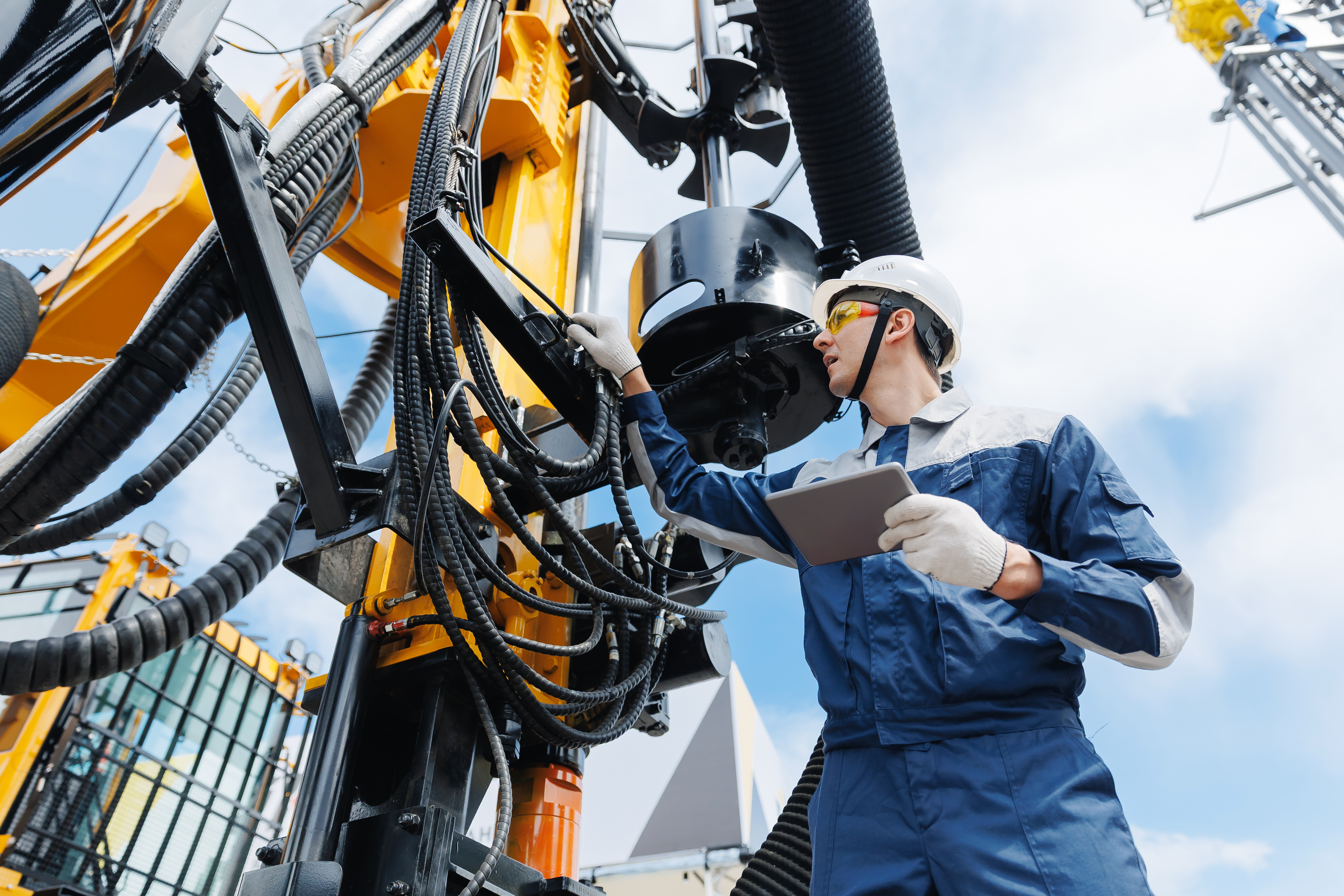
Digitizing inspections turns paper hazard hunts into actionable safety data.
For decades, dropped object inspections in oil and gas have followed the same pattern: a crew walks the job site before elevated work begins, checks items against a paper checklist, signs the form, and files it — somewhere. The inspection happened. The hazard hunt was completed. But the documentation trail is fragmented, the compliance record is unverifiable, and when something goes wrong, the paper trail is nowhere to be found. Digital workflows change this entirely.
What Is a Dropped Object Inspection Checklist?
A dropped object inspection checklist is a structured list of verification points that field personnel must check before any work commences at height. It systematically covers all categories of dropped object risk: tool securing and tethering, rigging and lifting equipment integrity, scaffold tie-offs and boards, overhead structural attachments, pipe rack fasteners, and exclusion zone demarcation.
The problem with paper checklists: A checklist on paper confirms that someone held a clipboard. It does not confirm what they actually saw, what condition equipment was in, or whether hazards were identified and addressed. Without photo evidence and digital sign-off, a paper inspection record is a liability, not a compliance proof.
Effective dropped object inspection checklists in modern operations include these mandatory elements:
How Are Safety Inspections Done in Oil and Gas Today?
Despite the critical nature of dropped object risk, inspection practices across the oil and gas industry remain fragmented. The gap between how inspections are documented and how they should be documented is significant — and that gap represents direct safety and liability exposure.
What Is Safety Inspection Software?
Safety inspection software is a digital platform that replaces paper-based inspection processes with structured, evidence-backed digital workflows. In the context of dropped object prevention in oil and gas, effective inspection software does three core jobs:
Standardize the Inspection Process
Every crew, on every job site, completes the same structured checklist — eliminating the variability of paper-based approaches where different supervisors apply different standards. The software enforces the workflow, requiring each checkpoint to be completed before the next is accessible.
Capture and Store Evidence
Photo capture is embedded at each checkpoint — not optional and not stored in a personal camera roll. Every image is timestamped, geotagged, and tied to the inspection record, creating an immutable evidence chain that proves the physical check was conducted.
Escalate Hazards in Real Time
When an inspector identifies a hazard, the software routes an instant, photo-backed alert to the safety manager and crew lead. Corrective action is assigned within the platform, creating a complete, documented response chain before work proceeds.
Provide Centralized Multi-Site Visibility
Safety managers see live inspection completion status across every active job site. Open hazards, pending sign-offs, and inspection rates are visible in a single dashboard — replacing the weekly PDF reports that arrive too late to affect real operations.
How Can Inspections Be Digitized in Oil and Gas?
Digitizing oil and gas inspections does not require a 12-month IT project or a hardware infrastructure investment. Modern inspection platforms are configured and deployed on existing mobile devices — iOS and Android — with offline capability for remote and offshore environments where connectivity is unreliable.
"The shift from paper inspection to digital workflow is not a technology project. It is a safety culture decision — choosing to make compliance provable rather than assumed."
The practical digitization pathway for dropped object inspections follows a clear sequence:
- Configure the checklist: Map existing paper checklist content into a structured digital workflow, organized by inspection category
- Define photo requirements: Specify which checkpoints require photo evidence — typically all structural and equipment items
- Set escalation rules: Configure how hazard notifications are routed and to whom, based on severity and job site
- Onboard crews: Brief field personnel on the mobile workflow — typically a single session of 1–2 hours
- Configure the dashboard: Set up safety manager and operations visibility views across all active sites
- Go live: Field crews execute standardized digital inspections from day one — with all records automatically centralized
How Does AI Improve Safety Inspections?
🤖 AI for Safety Inspection in Oil and Gas
AI enhances safety inspection workflows in oil and gas across several dimensions. At the most basic level, AI-powered mobile apps can detect whether a photo captured during an inspection meets quality standards — ensuring that evidence submissions are valid, not blurred or incorrectly framed images that obscure the actual condition being checked.
More advanced AI capabilities include pattern recognition across inspection records — identifying recurring hazard types at specific job sites or in particular crew configurations, enabling safety managers to proactively target high-risk areas before incidents occur.
Computer vision technology can analyse inspection imagery to flag potential anomalies: corrosion on structural attachments, improper tool securing, or unsecured scaffold components — providing a secondary check layer that operates automatically across all submitted inspection evidence.
Real-time monitoring AI tracks inspection completion rates, overdue checks, and compliance patterns across multiple sites simultaneously — alerting safety managers to gaps in the inspection schedule before they become incident risks.
❓ People Also Ask
SmartOPS™: Digital Workflow for Dropped Object Prevention
Telepresenz SmartOPS™ is the digital inspection platform configured specifically for dropped object prevention workflows in industrial and offshore environments. It delivers the complete digital workflow: structured mobile checklists, embedded photo evidence capture, digital supervisor verification, real-time hazard escalation with push alerts, and centralized multi-site compliance dashboards.
SmartOPS™ operates on existing mobile devices, works offline for remote and offshore environments, and is configured and deployed in 7 days. Field crews begin executing standardized, digitally-evidenced dropped object inspections immediately — creating an auditable, photo-backed compliance record that meets operator pre-qualification requirements and regulatory expectations.
The transition from paper hazard hunt to digital workflow doesn't just improve compliance. It fundamentally changes what a safety manager can see, know, and act on — in real time, across every active job site.